
.JPG)
| Identification / पहचान | |
| Reference Number / संदर्भ संख्या | DL09011440 |
| Built Heritage/Site निर्मित धरोहर / स्थल |
Built Heritage |
| Name of the Monument / Built Heritage / Site स्मारक / निर्मित धरोहर / स्थल का नाम |
Tomb of RoshanChirag Delhi |
| State / राज्य | Delhi |
| District / जिला | South |
| Manual District | |
| Sub District / उप-जिला | Others |
| Manual Sub District | Hauz Khas |
| Village / गाँव | Others |
| Manual Village | Chirag Delhi |
| Cultural Affiliation / सांस्कृतिक सम्बंधन | Medieval - मध्यकाल |
| Date/Period तारीख/युग |
C. 14th - 15th Cent. CE |
| Sub Period | 1358 A.D. Tughlaq Period |
| Geo-Location / भू-अवस्थिति | Dargah Complex, Chirag Delhi |
| Latitude / अक्षांश | 28 32 19 |
| Longitude / देशान्तर | 77 13 37 |
| Approach to the Monument / पहुंचने का मार्ग | |
| Approach /पहुंचने का मार्ग | Approx. 850 m south-west of Chirag Delhi bus stand via Chirag Delhi Bazar WaliGali and 500 m south-west of Chirag Delhi metro station, In the center of the south side of Chirag Delhi village |
| Air Port / विमानपत्तन | IGI |
| Railway Station / रेलवे स्टेशन | Nizamuddin |
| Bus Station / बस स्टैंड | Chirag Delhi |
| Topographical Features / स्थलाकृतिक विशेषताएं | |
| Topographical Feature / स्थलाकृतिक विशेषताएं | Plain- मैदान |
| Topographical Description / स्थलाकृतिक विवरण | It lies in area between the flood plain of river Yamuna and Delhi Ridge. Delhi Ridge is a Northern extension of ancient Aravalli Range. |
| History / इतिहास | |
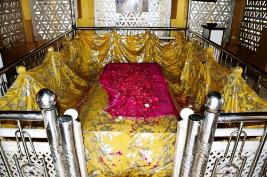
| Brief History / संक्षिप्त इतिहास | Hazrat Nisiruddin Mahmood Chirag-e-Delhi 1274-1356 A.D was a 14th century mystic-poet and a Sufi Saint of Chishti Order. He was a murid disciple of noted Sufi saint, Hazarat Nizamuddin Auliya and later Khalifa, his successor. He was the last important Sufi of Chishti Order from Delhi. He was given the title, Roshan Chirag-e-Delhi , which means Illuminated Lamp of Delhi. He died in 1356 A.D at the age of 82 and is buried in a part of Delhi, India which is known as Chirag-e-Delhi after him. The saint is still highly venerated and the Dargah attracts thousands of people. |
| Local / Traditional description associated with Built Heritage / Site निर्मित धरोहर / स्थल से सम्बंधित स्थानीय/ परम्परागत विवरण |
The daily events that take place in a Dargah can be called Khidmat, the routine service done in the main tomb. In dargah, weekly and monthly functions get a special significance. On the night that falls between Thursday and Friday a special mahfil which means gathering is arranged near the tomb. |
| Architectural Style / स्थापत्य शैली | Tughlaq - तुगलक |
| Building/ Structure/Site
इमारत / संरचना / स्थल |
|
| Description of Building/ Structure/Site
इमारत/संरचना/स्थल का विवरण |
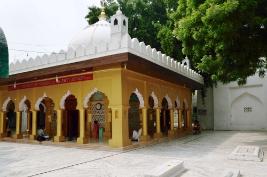
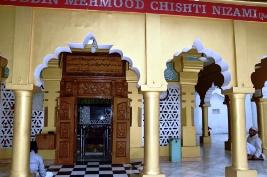
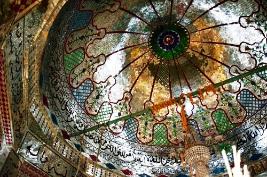
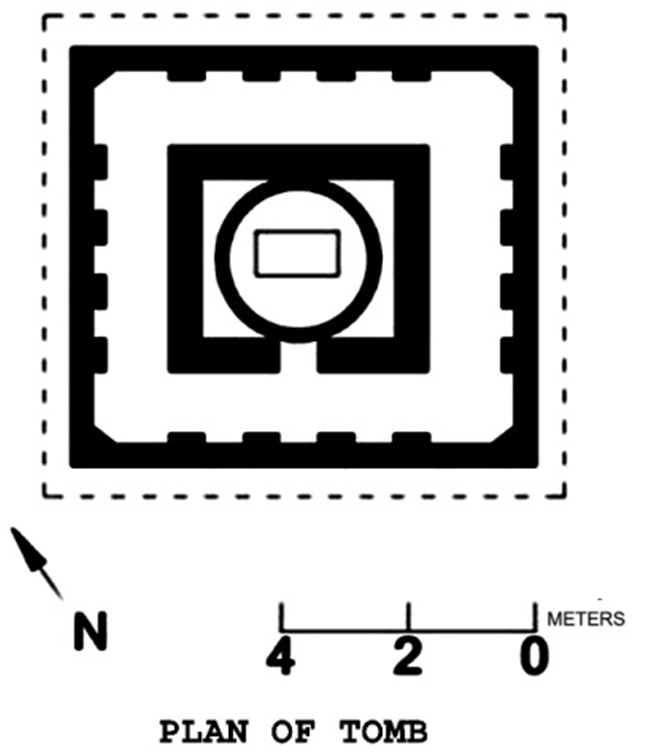
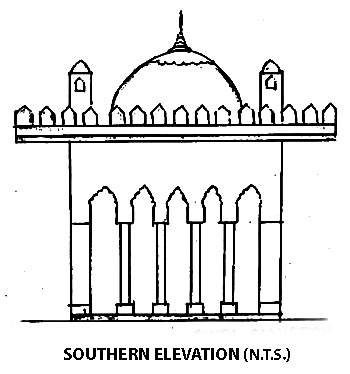
The significant domed building is square in plan and has a 12 pillared square chamber enclosed within perforated screen jails and surmounted by a plastered dome rising from an octagonal drum. There are small domed turrets at the four corners. Much of the original structure has been changed, including the chajja, columns, flooring, roofing, and the jails. There is kangura pattern battlement running all sides on the parapet.The entire tomb is painted in white and a very light gold. The courtyard is laid in white marble. |
| Structure material and other material संरचनागत सामग्री और अन्य घटक |
|
| Building/Structure material and other material used प्रयोग में लाई गई इमारती / संरचनागत सामग्री और अन्य घटक |
The building is constructed of rubble masonry and also of brick masonry used for later addition and alteration.Flooring has been done with terrazzo. The outer balustrade is made of metal work where as inner balustrade is of marble. |
| Usage(s) & Sub Type | |
| Usage(s) / प्रयोग | Living Monument - प्रयोग |
| Sub-Usage(s)/ उप-प्रयोग | It is used as a religious purpose. |
| Ownership / स्वामित्व | Public - जनता |
| Protection status / संरक्षण अवस्था | Unprotected- असंरक्षित |
| Plan/Elevation विन्यास/उध्र्व विन्यास |
|
| Published Reference / प्रकाशित संदर्भ | |
| Author / लेखक | Zafar Hasan |
| Name / नाम | Monuments of Delhi, Vol-3 |
| Year / वर्ष | 1997 |
| Published/Unpublished प्रकाशित / अप्रकाशित |
Published |

| © Disclaimer:NMMA may be contacted for any further information. The documented data is under correction and subject to validation. |