
| Identification / पहचान | |
| Reference Number / संदर्भ संख्या | DL05012091 |
| Built Heritage/Site निर्मित धरोहर / स्थल |
Built Heritage |
| Name of the Monument / Built Heritage / Site स्मारक / निर्मित धरोहर / स्थल का नाम |
National Archives |
| State / राज्य | Delhi |
| District / जिला | New Delhi |
| Manual District | |
| Sub District / उप-जिला | |
| Manual Sub District | |
| Village / गाँव | |
| Manual Village | |
| Cultural Affiliation / सांस्कृतिक सम्बंधन | Colonial - औपनिवेशिककाल |
| Date/Period तारीख/युग |
C. 19th - 20th Cent. CE |
| Sub Period | 1920 s |
| Geo-Location / भू-अवस्थिति | Janpath Road, Opp. Indira Gandhi National Centre of the Arts, near Shastri Bhavan |
| Latitude / अक्षांश | 28 61 56 |
| Longitude / देशान्तर | 77 21 73 |
| Approach to the Monument / पहुंचने का मार्ग | |
| Approach /पहुंचने का मार्ग | Approx. 800 m from Central Secretariat metro station |
| Air Port / विमानपत्तन | Indira Gandhi International Airport |
| Railway Station / रेलवे स्टेशन | New Delhi Railway Station |
| Bus Station / बस स्टैंड | National Archives Bus Stand |
| Topographical Features / स्थलाकृतिक विशेषताएं | |
| Topographical Feature / स्थलाकृतिक विशेषताएं | Plain- मैदान |
| Topographical Description / स्थलाकृतिक विवरण | It lies in area between flood plains of Yamuna and Delhi Ridge. Delhi ridge is northern extension of ancient Aravali range. The structure is nestled in the green patches of Lutyens Delhi |
| History / इतिहास | |
| Brief History / संक्षिप्त इतिहास | Imperial Records Department came into existence on 11th march 1891 and was located in Imperial Secretariat building at Kolkata .The department was shifted to Delhi in 1911.The IRD shifted to the present building which is now known as National Archives in the year 1926.The building was designed and built by Sir Edwin Lutyens. |
| Local / Traditional description associated with Built Heritage / Site निर्मित धरोहर / स्थल से सम्बंधित स्थानीय/ परम्परागत विवरण |
NA |
| Architectural Style / स्थापत्य शैली | British Period - अंग्रेजी काल |
| Building/ Structure/Site
इमारत / संरचना / स्थल |
|
| Description of Building/ Structure/Site
इमारत/संरचना/स्थल का विवरण |
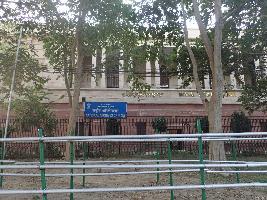
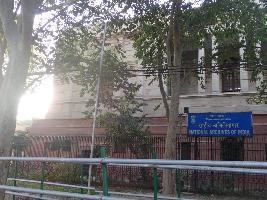
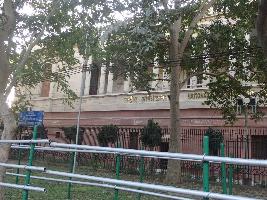
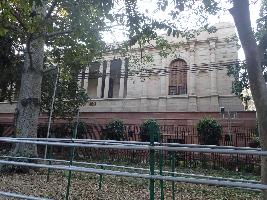
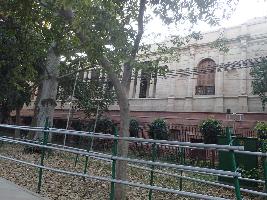
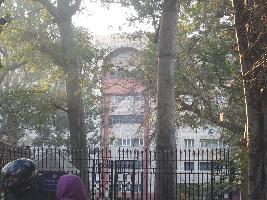
The monumental two-storey building of Imperial Record Office, which is now known as the National Archives, is inspired by the late neo-classical style. It has an impressive and unique facade. The use of red and buff coloured sandstone strategically makes it distinct. The lower storey is built in red and upper storey in buff coloured sandstone. The lower facade has rectangular windows and rectangular doors. Doors have band of rectangular doors. The upper portion of the facade has semi-circular arched openings. |
| Structure material and other material संरचनागत सामग्री और अन्य घटक |
|
| Building/Structure material and other material used प्रयोग में लाई गई इमारती / संरचनागत सामग्री और अन्य घटक |
The first storey is made up of Red sandstone and white marble. The above structure is made up of brick masonry. The floor is made up of white marble. |
| Usage(s) & Sub Type | |
| Usage(s) / प्रयोग | Living Monument - प्रयोग |
| Sub-Usage(s)/ उप-प्रयोग | Living Record Office |
| Ownership / स्वामित्व | Public - जनता |
| Protection status / संरक्षण अवस्था | Unprotected- असंरक्षित |
| Plan/Elevation विन्यास/उध्र्व विन्यास | |
| Published Reference / प्रकाशित संदर्भ | |
| Author / लेखक | INTACH |
| Name / नाम | Delhi The Built Heritage, INTACH Delhi Chapter, vol-1, Pg. No.194 |
| Year / वर्ष | 1999-2000 |
| Published/Unpublished प्रकाशित / अप्रकाशित |
Published |

| © Disclaimer:NMMA may be contacted for any further information. The documented data is under correction and subject to validation. |