
| Identification / पहचान | |
| Reference Number / संदर्भ संख्या | DL08012032 |
| Built Heritage/Site निर्मित धरोहर / स्थल |
Built Heritage |
| Name of the Monument / Built Heritage / Site स्मारक / निर्मित धरोहर / स्थल का नाम |
Residence |
| State / राज्य | Delhi |
| District / जिला | South West |
| Manual District | |
| Sub District / उप-जिला | |
| Manual Sub District | |
| Village / गाँव | |
| Manual Village | |
| Cultural Affiliation / सांस्कृतिक सम्बंधन | Late Medieval - उत्तर मध्यकाल |
| Date/Period तारीख/युग |
C. 19th - 20th Cent. CE |
| Sub Period | N.A |
| Geo-Location / भू-अवस्थिति | Munirka Village, 214 |
| Latitude / अक्षांश | 28 55 32 |
| Longitude / देशान्तर | 77 17 45 |
| Approach to the Monument / पहुंचने का मार्ग | |
| Approach /पहुंचने का मार्ग | Walking distance from Munirka metro station. |
| Air Port / विमानपत्तन | IGI Airport |
| Railway Station / रेलवे स्टेशन | Old Delhi |
| Bus Station / बस स्टैंड | Munirka |
| Topographical Features / स्थलाकृतिक विशेषताएं | |
| Topographical Feature / स्थलाकृतिक विशेषताएं | Plain- मैदान |
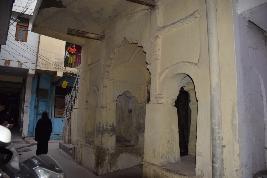
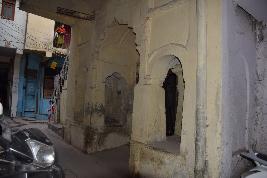
| Topographical Description / स्थलाकृतिक विवरण | It lies in the area between the flood plains of Yamuna and Delhi Ridge. Delhi Ridge is northern extension of ancient Aravalli range. Based on extended ridge area, of the denuded Aravali that is northward to JNU Jawaharlal Nehru University, It is infact a haveli made in Rajasthani Mughal Style that has renovated and altered various times. |
| History / इतिहास | |
| Brief History / संक्षिप्त इतिहास | NA |
| Local / Traditional description associated with Built Heritage / Site निर्मित धरोहर / स्थल से सम्बंधित स्थानीय/ परम्परागत विवरण |
According to local traditions, Tokas and Dahiya groups of Jats, local peasants migrated here from Rajasthan and Haryana. |
| Architectural Style / स्थापत्य शैली | Indo-persian - हिन्द - फारस |
| Building/ Structure/Site
इमारत / संरचना / स्थल |
|
| Description of Building/ Structure/Site
इमारत/संरचना/स्थल का विवरण |
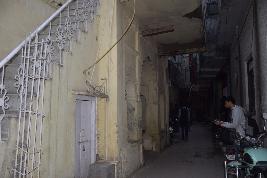
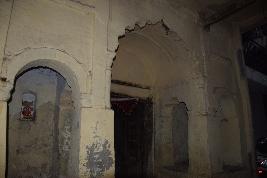
This is northwest facing building entered through multi-cusped arched gateway, supported by cylindrical piers. Entire building is encroached upon and restored several times. The walls have arched designs made in typical haveli style of Persian region that had become prevalent in Rajasthan Delhi and Agra regions. |
| Structure material and other material संरचनागत सामग्री और अन्य घटक |
|
| Building/Structure material and other material used प्रयोग में लाई गई इमारती / संरचनागत सामग्री और अन्य घटक |
The structure is built up of Lakhori bricks and lime plaster. Wood is used in the doors. Iron is used in the railings of staircase. |
| Usage(s) & Sub Type | |
| Usage(s) / प्रयोग | Living Monument - प्रयोग |
| Sub-Usage(s)/ उप-प्रयोग | Residence |
| Ownership / स्वामित्व | Private - निजी |
| Protection status / संरक्षण अवस्था | Unprotected- असंरक्षित |
| Plan/Elevation विन्यास/उध्र्व विन्यास | |
| Published Reference / प्रकाशित संदर्भ | |
| Author / लेखक | INTACH |
| Name / नाम | Delhi The Built Heritage, INTACH Delhi Chapter Volume 2 ,pg.103,F26 |
| Year / वर्ष | 1999-2000 |
| Published/Unpublished प्रकाशित / अप्रकाशित |
Published |

| © Disclaimer:NMMA may be contacted for any further information. The documented data is under correction and subject to validation. |